


Start Here.
If you’re new to overnight camp, you’re in the right place.
Most families we serve are trying camp for the first time. Many parents didn’t grow up at camp themselves, so this whole world can feel unfamiliar. That is normal.
This page is built to help you understand why camp matters, how it works, and how we partner with you through the process.
Why camp matters for kids today
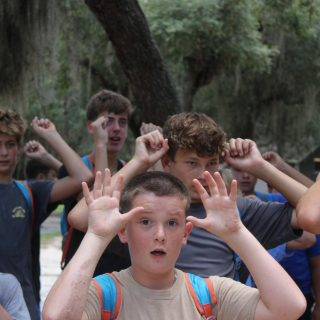
Kids are growing up in a world where:
- Time outside is rare
- Friendships work through screens
- Independence is hard to practice at home
- Parents feel stretched thin
- Kids feel pressure to be “on” all the time
Camp gives kids a different kind of space. A place where they can play, explore, make friends, and figure out who they are without phones, grades, or comparisons.
They get real independence and real support at the same time.
Parents get something valuable too. A break, a breath, and a confidence boost that their child can do big things.
How kids are supported here
Kids do well here when they feel safe and connected. We help with that in real ways:
- Counselors learn kids’ names fast
- We lean into the things kids love
- We give choices and let kids lead
- We are silly on purpose
- We help kids find friends
- We sit with nervous first-timers
- We redirect gently (not harshly)
A little less than half of our campers are brand new every year. First-timers are normal here.
How parents are supported here
Sending your child away from home is a big deal. Our job is to support you, too. We have moms on our team (who have sent their own kids to camp), so we know what it feels like to feel wonder, worry, and excitement all at once.
We’re here to help make that easier for you. That means:
- Clear communication before, during, and after camp
- Tips that make drop-off and homesickness easier
- Daily photos through Waldo
- A phone number and email you can reach us on
- Check ins if you request them
- Financial aid and payment plans if needed
- Staff who are background checked, drug tested, and trained the Y way
We’re partnership. Not just a program.
How overnight camp works here
Here are the basics so you can imagine it:
Ages:
- Overnight and weekend camps are for rising 2nd through rising 9th graders.
- Teen leadership for rising 10th through 12th graders.
- Day camp for ages 5 to 12.
Cabins:
- West Side cabins have bathrooms inside.
- East Side cabins use a nearby shared bathhouse.
Daily life:
- Outdoor activities, meals, rest time, more activities, evening program, showers, sleep.
- Meals are cafeteria style with breakfast and salad bars for picky eaters.
Screen-free culture:
Campers leave phones and devices at home. It’s not a punishment. It’s actually a relief. It’s hard for kids (and parents!) at first, but by the end of the week, kids tell us they’re grateful for the break.
Is my child ready for overnight camp?
Lots of parents worry about readiness. Some kids are pumped. Some are unsure. Some would honestly rather stay home with the dog (and TV). All normal.
When we say “camp-ready,” we mean a kid who can:
- follow a daily routine with help
- handle basic hygiene with reminders
- sleep away from home
- share space with other kids
They don’t need to be fearless or outgoing. They can be shy, anxious, sensory-seeking or avoiding, picky, routine-loving, or slow to warm up. We see all of that every session.
Camp is community living with support and autonomy mixed together. We can remind kids to brush teeth, help them find shoes, and walk them through transitions. We can’t wash hair, assist with toileting, or provide one-on-one care in a way that disrupts other kids.
If you’re on the fence, reach out. We’re happy to talk through it and help you decide what fits your kid.
How does overnight camp handle safety and supervision?
Supervision here is real and consistent. Counselors sleep in cabins with campers and move with their groups through the day. Full-time leadership is out around camp and easy to find, not hidden in offices.
We take child protection seriously through screening, training, and clear boundaries. We also take emotional safety seriously. Kids get help with friendships, homesickness, and the normal bumps that come with trying new things.
Parents share what we should know on forms. We pay attention. If your camper experiences something prolonged or outside the usual range, we will call and partner with you.
Want the full picture? Read our Safety and Emotional Support page.
How does homesickness work at camp?
85% of kids (and staff!) feel some level of homesickness. It’s normal. Maybe the most normal thing at camp. Most kids feel it at some point and most move through it faster than parents expect. We sit with kids, talk through feelings, keep them busy, and loop in parents if something is above the usual range.
Before camp we send tips for families too. Little things help, like not making pickup promises and not talking about how empty the house will feel without them.
Cost and access
Money should never be the reason a kid can’t attend camp. We offer financial assistance, military discounts, payment plans, and discounts for multiple weeks.
If you’re curious, start here.
You don’t have to jump into a full week. Easy first steps include:
- Come to a tour
- Try a weekend camp
- Follow on Facebook or Instagram
- Join our email list
- Reach out with real questions (cimmokalee@fcymca.org)
We will help you figure out if camp is right for your family without pressure.